



(Detroit, United States) – Democrats have regained control of Michigan’s Legislature and won unified control of state government, part of a wider shift in U.S. state elections that extends beyond the party’s previously reported congressional victories.
The November 3 election returned Michigan’s House to Democratic control while the party retained its Senate majority. Jocelyn Benson’s victory in the governor’s race completes the combination commonly called a trifecta: control of both legislative chambers and the governor’s office.
The Democratic Legislative Campaign Committee announced the Michigan outcome November 4. Michigan Advance independently reported the change from unofficial returns, and Reuters subsequently included Michigan among four states where Democrats secured unified government through legislative victories.
The result ends two years of divided government in Michigan, restoring the governing arrangement Democrats held in 2023 and 2024. For Canadian readers following the U.S. election, it identifies a separate change in state-level power, rather than another count of seats in Washington.
Michigan Democrats are already outlining their priorities. Senate Majority Leader Winnie Brinks said advancing a Michigan Voting Rights Act would be the Senate’s leading objective, Michigan Advance reported. Democratic Representative Jason Morgan identified affordability as the House’s first priority, alongside possible changes extending freedom-of-information requirements to the governor’s office and Legislature.
Those are proposed directions for the next legislative session, not measures enacted by the election result. Leadership decisions also remain ahead of the 2027 session.
The broader state results could influence both domestic policy and future national elections. Reuters reported that Democrats also secured control of both legislative chambers alongside the governorship in Minnesota, Pennsylvania and Wisconsin, while breaking Republican unified control in Georgia, Iowa, Ohio and Texas.
Democrats flipped Republican-held governorships in at least five states, according to Reuters’ November 4 account. Policy experts interviewed by the agency said the state-level changes could affect election administration and certification, as well as laws governing wages, labour rights and data centres.
The Michigan outcome therefore adds a consequential layer to the midterm results: a change in who can advance state legislation, with affordability and voting protections among the incoming majority’s stated priorities.
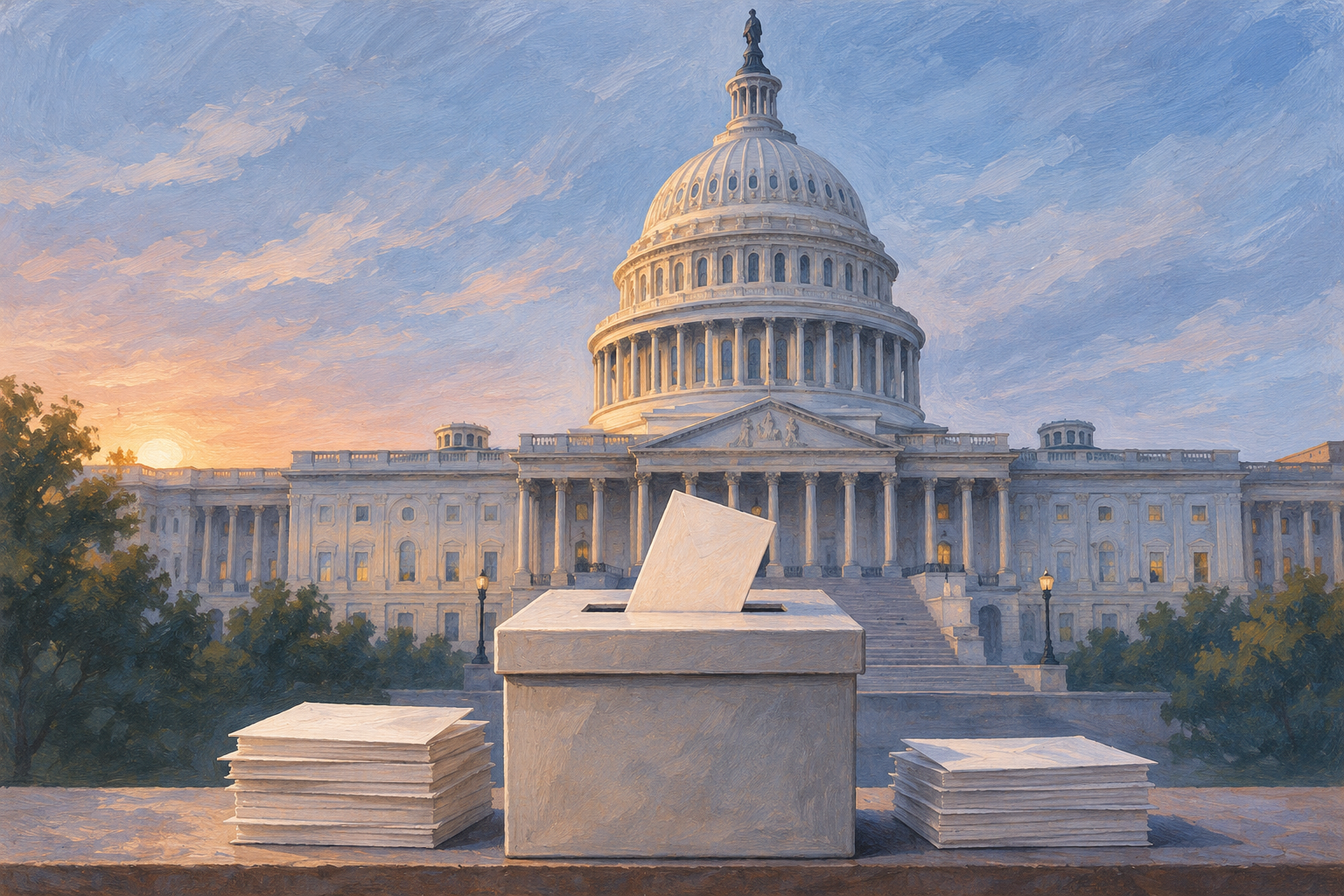
Accompanying image: editorial illustration.

Leave a comment
Join the discussion. Please follow our Community Standards.
Sign in or create an account to leave a comment.
Choose your public display name before submitting. Your email address stays private.
No published comments yet.